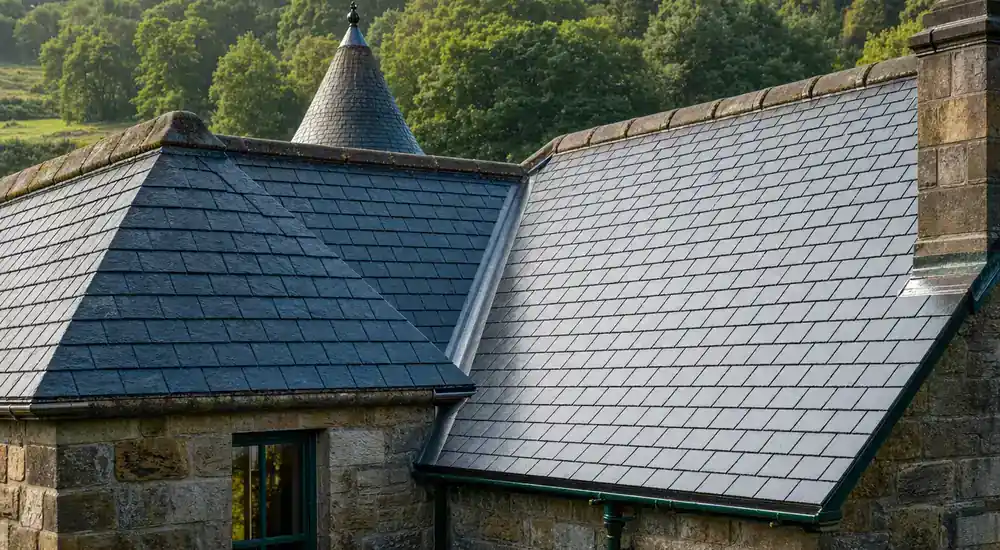
When a local slate repair may be enough
One slipped, cracked or missing slate may suit a local repair when the neighbouring courses remain secure and the roof is otherwise serviceable. A repair can replace or refix the affected slate while leaving sound material in place. Age, uneven colour or weathering alone does not mean the whole slope needs renewing.
Repeated slippage, several earlier clips, fragments in gutters or leaks in more than one place point to a wider problem. An exposed opening or loose slate above an entrance needs urgent safety attention. Keep people clear of the area below and do not climb onto the roof.
Why recurring slippage can point beyond one slate
Slate depends on nails or hooks, the support beneath it and the overlap between courses. Ageing fixings, cracked slate around nail holes, weak battens or movement in sarking can let otherwise sound pieces slip. The pattern across the slope matters more than the number visible from one viewpoint.
Safe roof-void signs such as daylight, staining on sarking or damp timbers can help connect an indoor mark to the affected slope. Weather direction and nearby valleys or chimneys also matter because water can travel before it becomes visible. Concealed fixings and underlay may still limit certainty.
Local repair, overhaul or re-slating?
A local repair addresses isolated damage. An overhaul suits scattered defects across an otherwise retainable covering and may combine selected refixing with ridge, valley or flashing work. In either case, the proposal should make clear how surrounding slate will be protected.
Re-slating becomes a realistic option when fixings or support have failed broadly, too many slates would be lost during repair, or work beneath the covering cannot be reached reliably. Serviceable slate may be suitable for careful reuse, but usable quantities cannot be promised before close inspection.
A good slate match goes beyond colour
Replacement slate must work with the existing dimensions, thickness, weight, texture, edge dressing, hole position, headlap and bond. A close colour match can still sit badly or weather differently if its size or thickness is wrong. New and reclaimed slate both need suitability and supply checks.
On a listed building or conservation-sensitive roof, the existing material and laying pattern may form part of the building's character. Like-for-like maintenance differs from a material or appearance change. Ask the planning authority before agreeing work that could alter protected fabric.
Valleys, flashings and chimneys may be the leak source
Slate sheds water towards lead valleys, secret gutters, wall abutments and chimney soakers or flashings. New slate will not stop water entering through a split valley, lifted flashing, blocked outlet or damaged chimney masonry. These junctions should be checked with the affected slope.
Ridges, hips, verges or skews, roof windows, gutters and ventilation complete the weathering system. A clear quotation should distinguish slate work from related lead, masonry or drainage work, so you can see which defect each item is intended to solve.
Safe access can affect the repair method and price
Slate and tile roofs should be treated as fragile until a safe method has been chosen. Height, pitch, weather, public areas, valleys and chimneys can make scaffolding, a platform or another access method necessary. Walking on the covering can break sound slate as well as put a person at risk.
Conservatories, narrow closes, shared gardens and street restrictions can change how the work area is reached and protected. For a shared roof, factor or co-owner authority may also be needed. These practical constraints can alter both the method and quotation.
What a useful slate repair proposal should explain
The proposal should locate the affected slope or junction, distinguish damaged slate from suspected fixing failure and set out the matching requirements. It should say whether the recommendation is a local repair, overhaul or re-slating and identify related lead, ridge, chimney or drainage work.
Ask what remains uncertain beneath the covering, how sound slate will be protected and what could change after opening-up. Use the heritage slate route when retention or protected status is central. You can then request an assessment without assuming material supply, price or timing.
Decide what to check next for slate roofing
Before choosing slate roofing, note the visible defect, when it appears, nearby junctions and any safe indoor signs. If the cause remains unclear, request a roof inspection that distinguishes a local repair from a wider issue; do not climb onto the roof to investigate.