Heritage Roofing in Scotland

Choose the next step for a traditional roof by separating building status, fabric condition, material compatibility, access and the evidence needed for repair or consent advice.

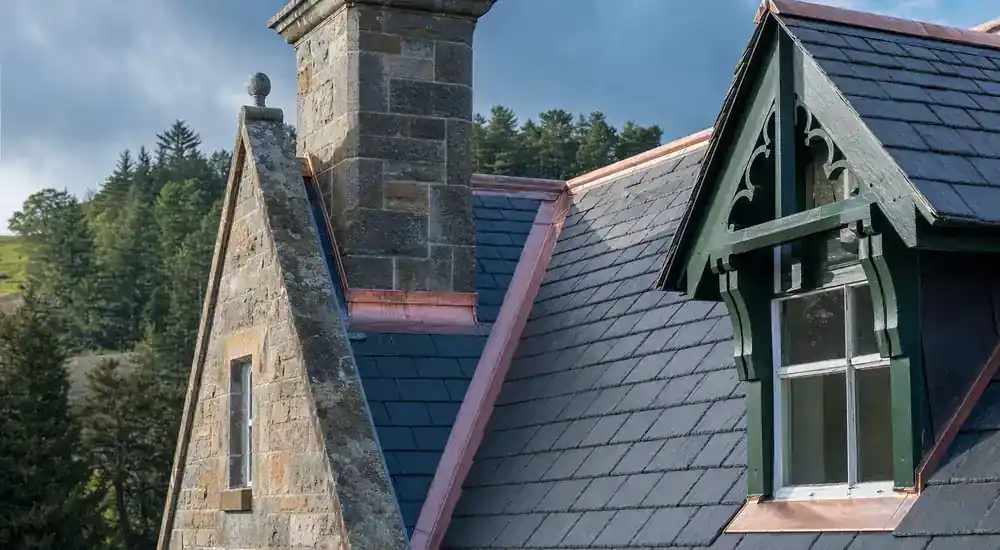
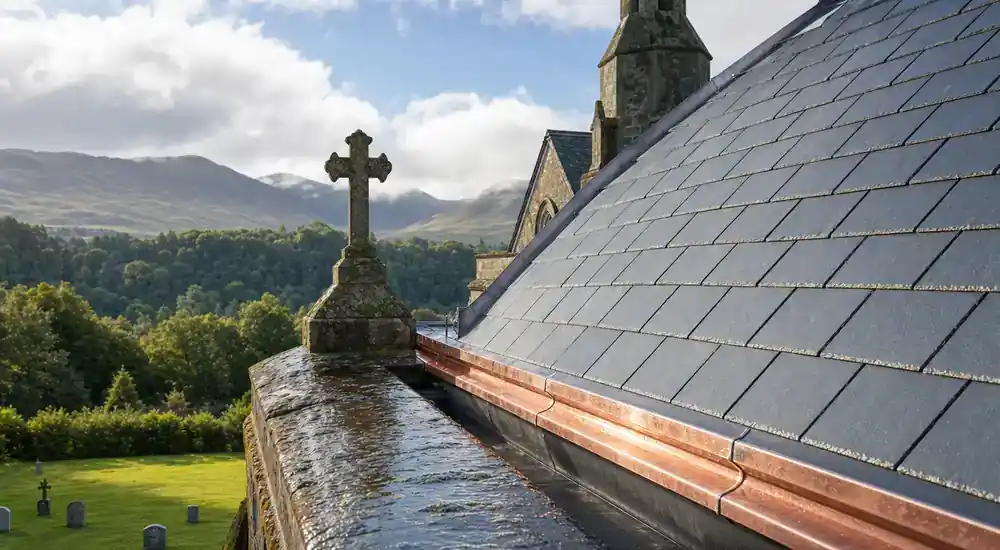
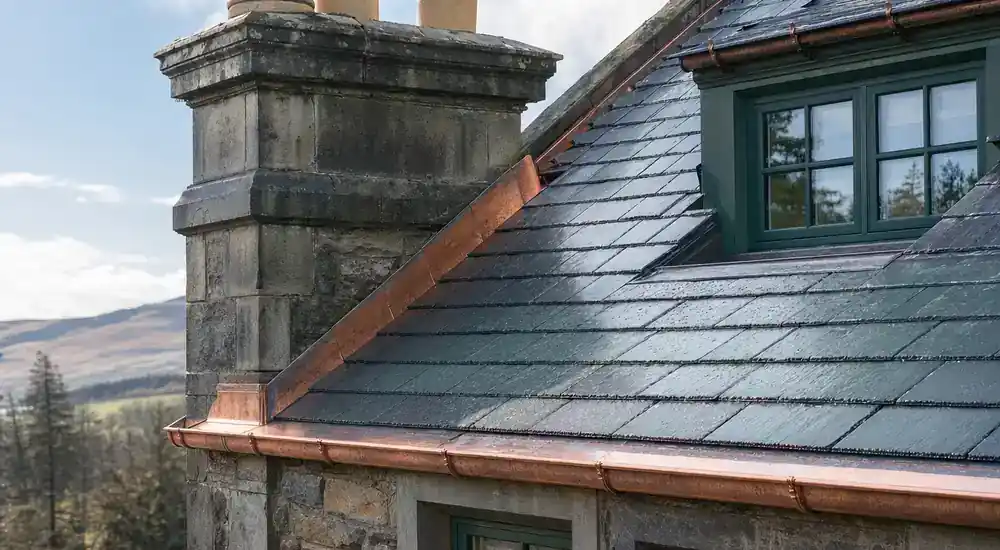
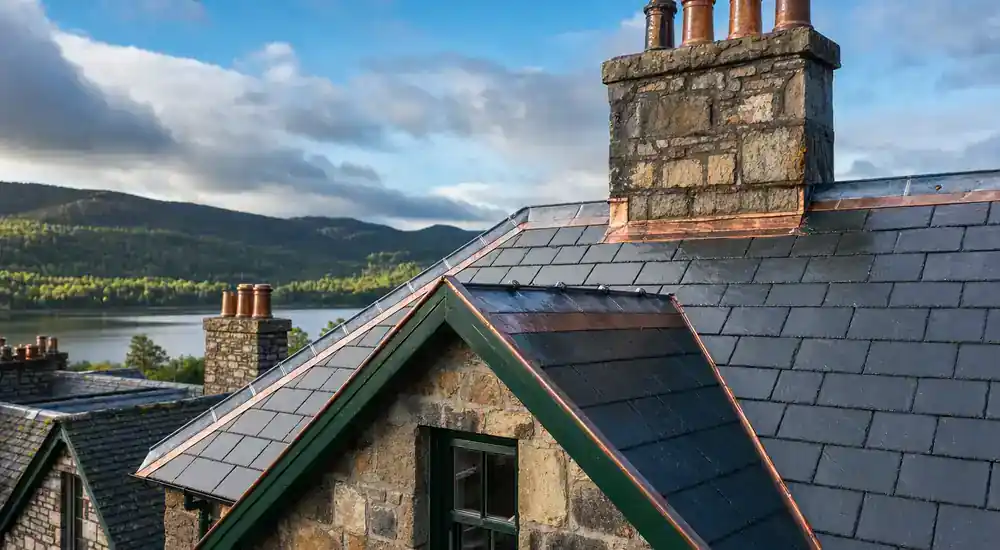
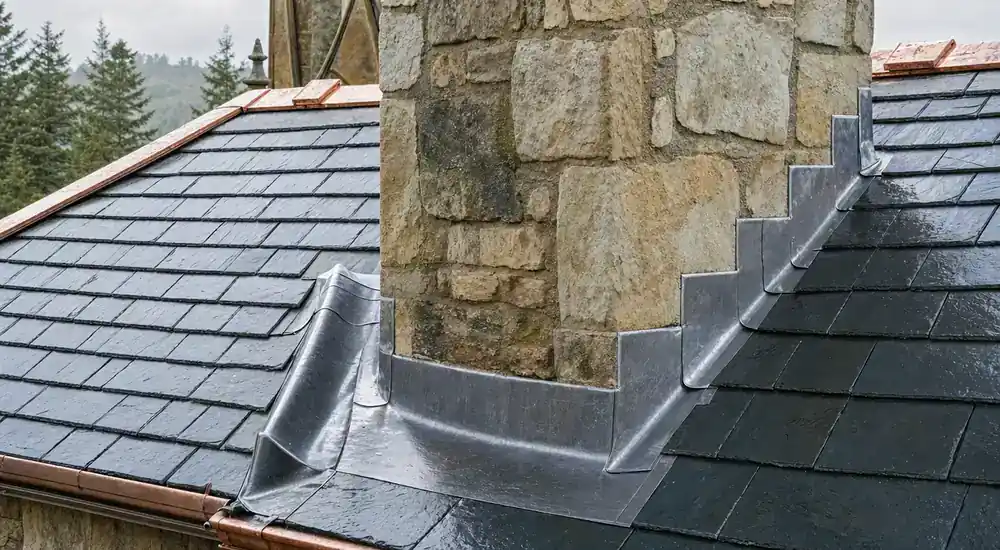
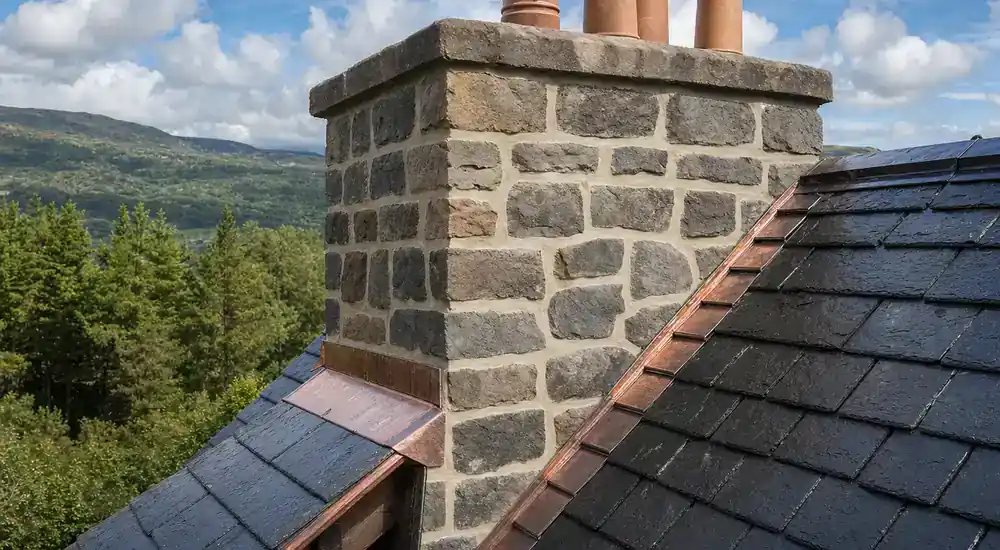
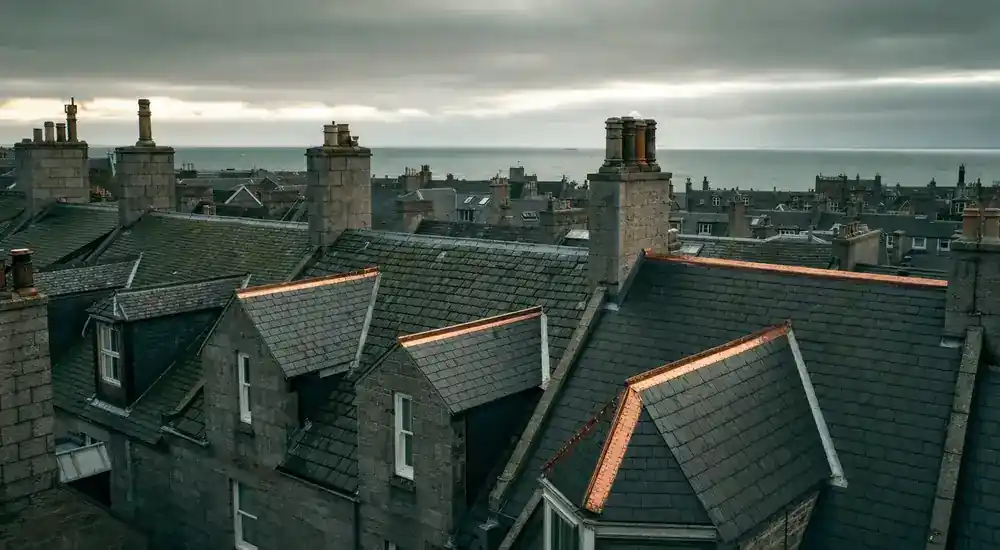
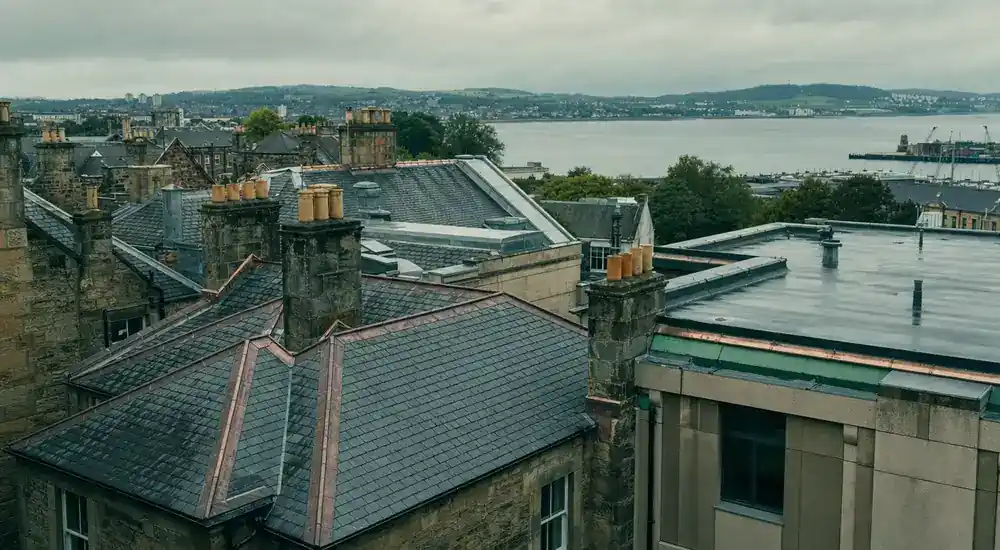
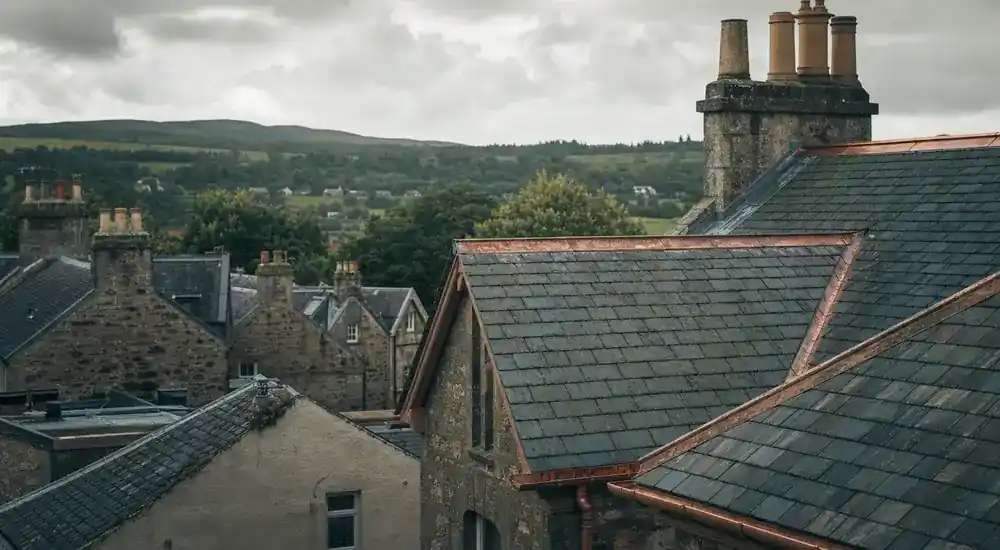
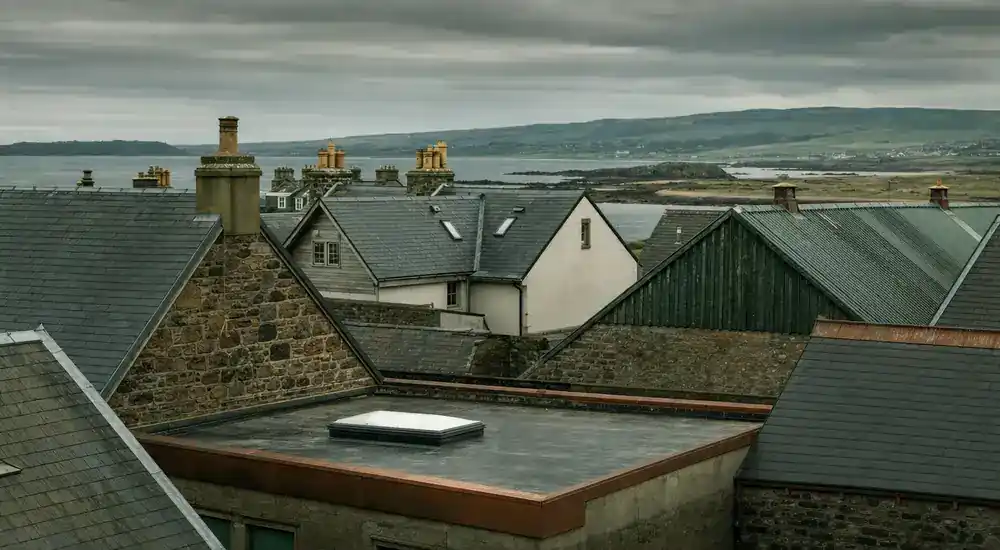
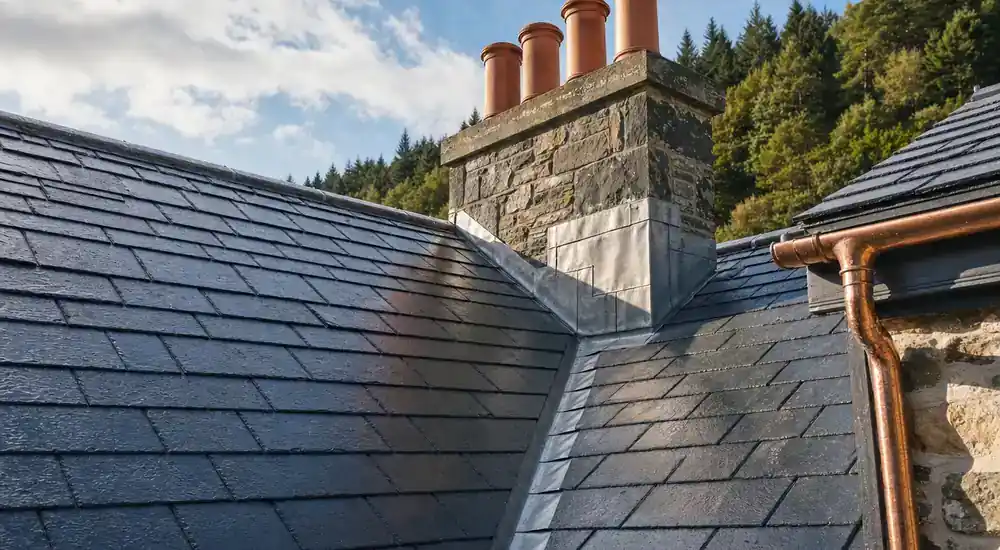
Traditional Scottish slate roof with leadwork and stone junction details.

Choose the heritage decision before the repair method

A traditional roof can involve several decisions at once: whether immediate protection is needed, which fabric is actually failing, what can remain, whether a proposed change needs advice and what evidence is missing. Begin with the building, known status, defect pattern and access limits rather than choosing a product from one visible symptom. Previous surveys, consents, specifications and safe photographs can narrow the first inspection without treating an old record as proof of current condition.

Use listed building repairs for status, consent questions and an approval-ready scope; church repairs for governance, continued use and high-level access; conservation roofing for significance and minimum intervention; or a heritage roof survey when condition, extent or the next professional input remains unclear. Choose the slate, lead or lime route when the material is known but its condition, compatibility or interface still needs a focused decision.

Listed buildings: define the proposal before seeking advice

Record the listing, visible defect, affected details, previous interventions and proposed extent before contacting the planning authority. Consent depends on the building and actual work, so keep wording conditional and avoid assuming that a repair or like-for-like label settles whether materials, appearance or character may be affected. Photographs, annotated details, matching criteria and a clear retention boundary give the authority or appointed adviser a proposal they can assess rather than a general question about roofing.

Churches: align governance, occupation and access

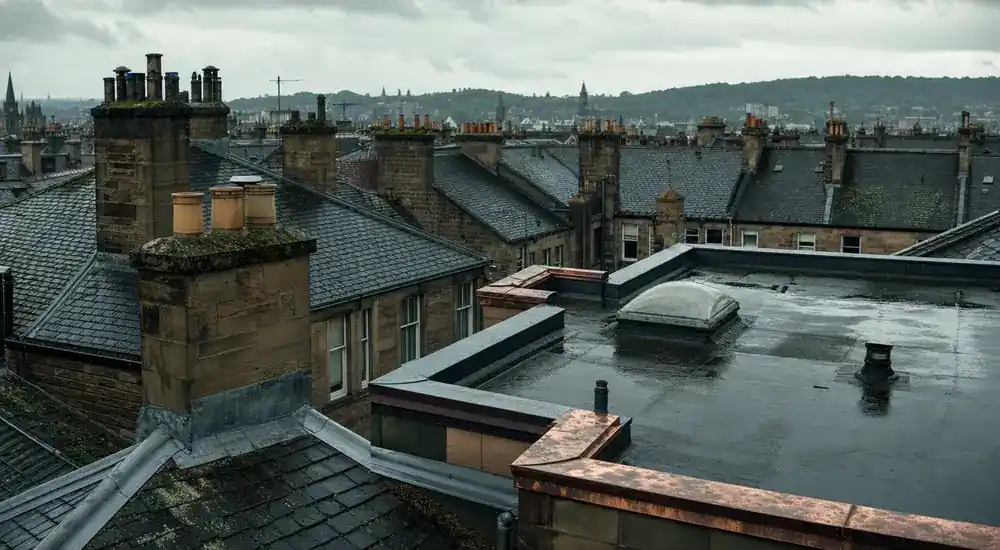
Confirm who owns and authorises work, whether worship or community use continues, which interiors and contents need protection and how high roof zones can be inspected. Map towers, valleys, parapets, lead flats, gutters and outlets as connected water paths, then separate immediate protection from permanent work. Building status, present use, ecclesiastical arrangements and stakeholder review points should be checked before an approval route, access method or whole-roof renewal is assumed.

Traditional materials: diagnose each interface

Slate matching involves dimensions, thickness, texture, condition and coursing, with sound material sorted for retention where the evidence supports it. Leadwork needs its function, movement, sheet sizing, substrate and discharge to be understood before a code or repair method is proposed. Lime mortar should suit the masonry, exposure, joint and roof detail rather than follow a universal recipe. Each material decision must also account for the fabric beside it and the order in which interfaces will be opened and closed.

Surveys: turn observations into a staged scope

A useful heritage survey states its purpose, access limits, directly observed defects, reasoned interpretations and remaining uncertainty. It should map photographs to roof zones and distinguish active signs from historic staining or unsupported assumptions. The report can then organise immediate protection, short-term repair, planned maintenance, material questions, consent checks and any targeted opening-up or specialist input needed before a reliable specification, programme or price can be considered.

Frequently asked questions

Which heritage roofing route should I choose?

Choose listed building repairs for status and consent-led scope, church repairs for governance and access, a material route for a known slate, lead or mortar issue, or a survey when the cause or extent is unclear.

Is listed building consent always required for roof repairs?

Not always, but the planning authority should confirm the position where proposed work may affect character, materials, appearance or significant details. Give it the actual defect and proposal rather than relying on a general repair label.

Does conservation roofing mean replacing nothing?

No. It means using evidence to retain sound significant fabric and justify repair or replacement where material has failed, while considering compatibility and the smallest intervention that addresses the cause.

What records are useful before an assessment?

Gather safe photographs, known building status, previous surveys or consents, repair records, internal signs, access constraints and the decision the assessment needs to support.

Should I inspect the roof myself?

Keep observations to safe ground-level, internal or normal-window positions. Do not climb or disturb slate, lead or masonry to create evidence for an enquiry.

Planning work on a historic roof?

Start with a conservation-sensitive inspection before committing to a repair scope.

Request an assessment

Tell us what you have noticed

Six short steps collect the details needed to route your enquiry. Stay at ground level and never climb onto a roof to gather information.

Step 1 of 6