Shared roofs benefit from one clear chronology
When several homes sit below one roof, separate messages can leave owners with fragments. A dated timeline showing water entry, fallen material, gutter overflow and earlier work can show whether several flats or common areas share the same pattern. It does not need to state a cause.
The City of Edinburgh Council identifies roofs as shared areas and advises owners to work with neighbours through maintenance and repair decisions. A factor, owners' association or nominated contact can help everyone use the same inspection findings without deciding legal responsibility.
One common summary can also reduce conflicting quotations. Owners can compare the same affected areas, temporary actions and inspection limits while keeping approval of permanent work as a separate decision.
Historic material and proposed change are not the same thing
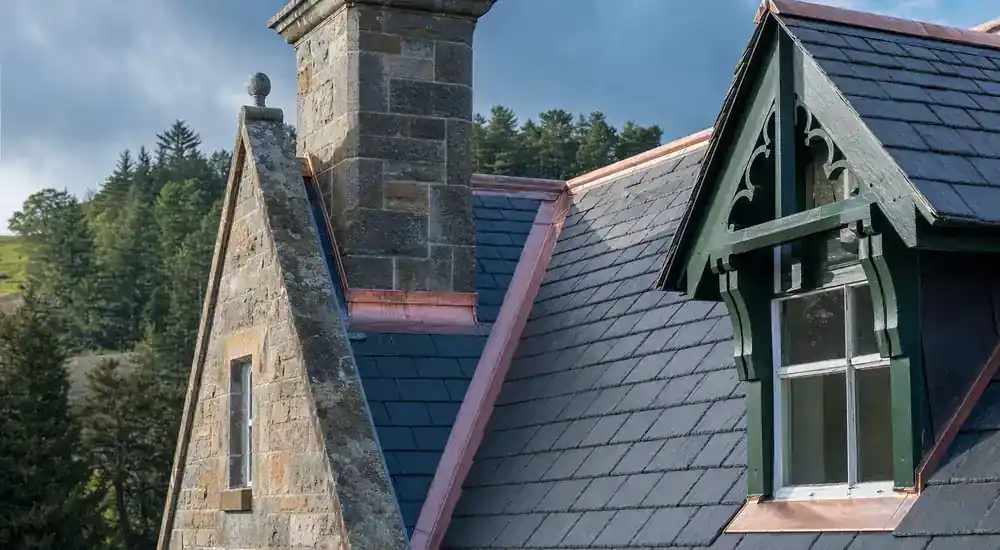
Edinburgh roofs can combine natural slate, lead valleys, stone chimneys, skews, dormers and rooflights. Age alone does not show whether an element is sound or needs replacement. Retention, compatible local repair and measured renewal are different choices.
Listed status and conservation controls should be checked for the exact property. Work called repair can still need consent if material, profile or appearance changes. Existing sizes, profiles and visible details help the planning authority understand the actual proposal before materials are bought.
Tenement height and city streets shape access
A high elevation, narrow close, rear court, controlled street or route through private premises can affect inspection before repair quantities are known. Pavements, busy entrances, parking controls and shared stairs also influence protection below the roof.
Owners should not climb for a better photograph or promise access across a neighbour's property. A quotation can set access assumptions apart from repair work so owners understand whether a distant view, mobile equipment or scaffolded close inspection supports the findings.
Local repair and coordinated work need different decisions
One missing slate with sound surrounding material differs from repeated movement, several failing lead details or widespread temporary patches. Inspection findings can separate urgent water control, local repair, further investigation and planned renewal by roof area.
A shared schedule is easier to discuss when chimney, gutter, masonry and covering items have separate locations and priorities. Temporary protection should also sit apart from permanent work so owners are not asked to approve an unclear lump sum.
Use council guidance before choosing a contractor
Edinburgh Council's shared-repair information helps owners understand common responsibility and coordinated maintenance. Use it to identify who needs to be involved, which roof areas are shared and what property paperwork may affect a decision.
Before appointing a contractor, check the company's service area, relevant shared-roof or historic-building experience, proposed access, price and timing for the exact address. Keep council guidance and contractor checks as separate decisions.
Choose the next Edinburgh roof decision
The address, flat and stair position, affected rooms, dates, safe images and existing factor or owners' contact can establish the basic situation. Earlier specifications, invoices and planning references may help where work has already been attempted.
Use the repair route for a known fault or the survey route when the cause or overall condition is uncertain. Settle shared-owner authority and any planning question before approving permanent work.